

Cellular Immunotherapy: How Stem Cell Advancements Are Transforming Treatment

Cellular immunotherapy is one of the fastest-evolving areas in modern medicine. Instead of relying solely on drugs or radiation, this approach uses living immune cells to recognize and destroy disease. Most notably diseases such as cancer, autoimmune disorders, and certain genetic conditions. Unlike conventional therapies such as chemotherapy or radiation, cellular immunotherapy is highly targeted. Over the past decade, breakthroughs in stem cell research have dramatically improved how these therapies are developed, personalized, and delivered to patients.
The Role of Stem Cell Research
Stem cells are unique because they can develop into many specialized cell types. This ability makes them extremely valuable for cellular immunotherapy. Advances in stem cell science now allow researchers to:
01. Create Reliable Sources of Immune Cells
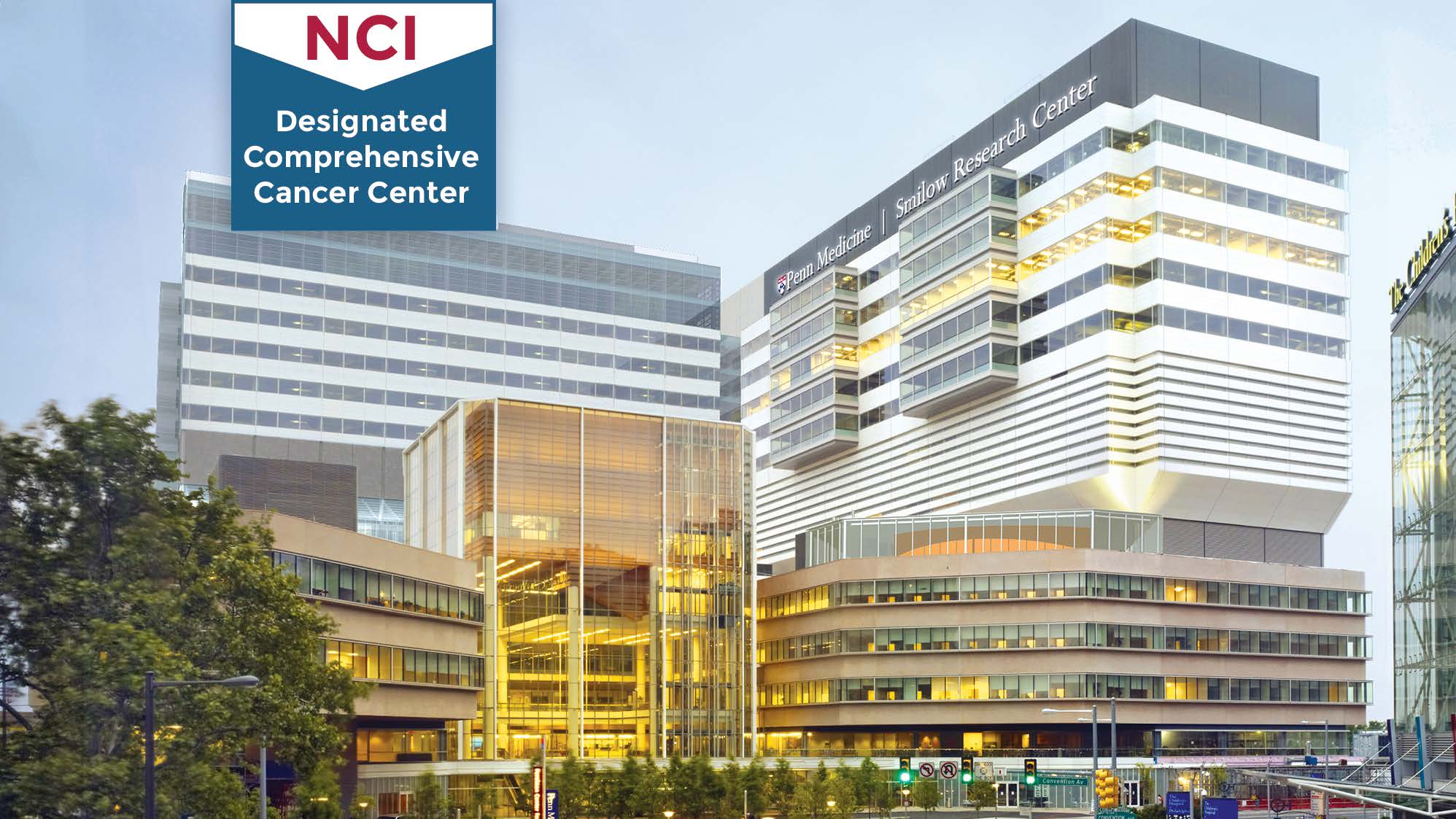
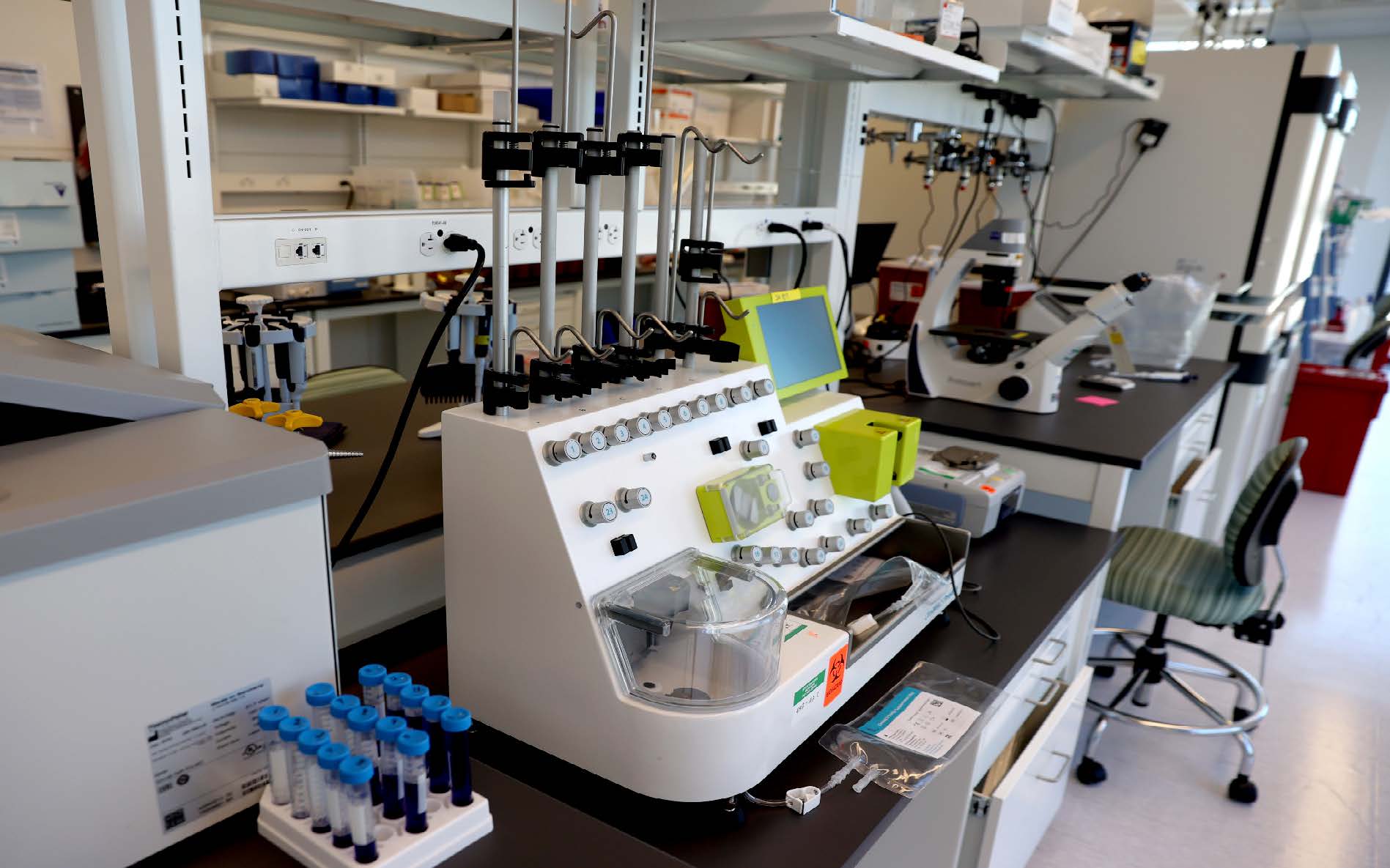
Previously, many advanced therapies required harvesting cells directly from each individual patient, a process that was costly, time-intensive, and, in some cases, not feasible for critically ill individuals. Today, stem cell technologies have significantly transformed this model. Laboratories can now grow immune cells from hematopoietic stem cells, enabling scalable production workflows. In addition, manufacturers can develop standardized “off-the-shelf” immune therapies, reducing wait times and expanding patient access. These advances also support greater batch-to-batch consistency, helping maintain uniform quality across treatments. Research collaborations at institutions such as the University of Pennsylvania played a pivotal role in pioneering early CAR-T breakthroughs through sophisticated cellular engineering techniques.
02. Improve Genetic Engineering Precision
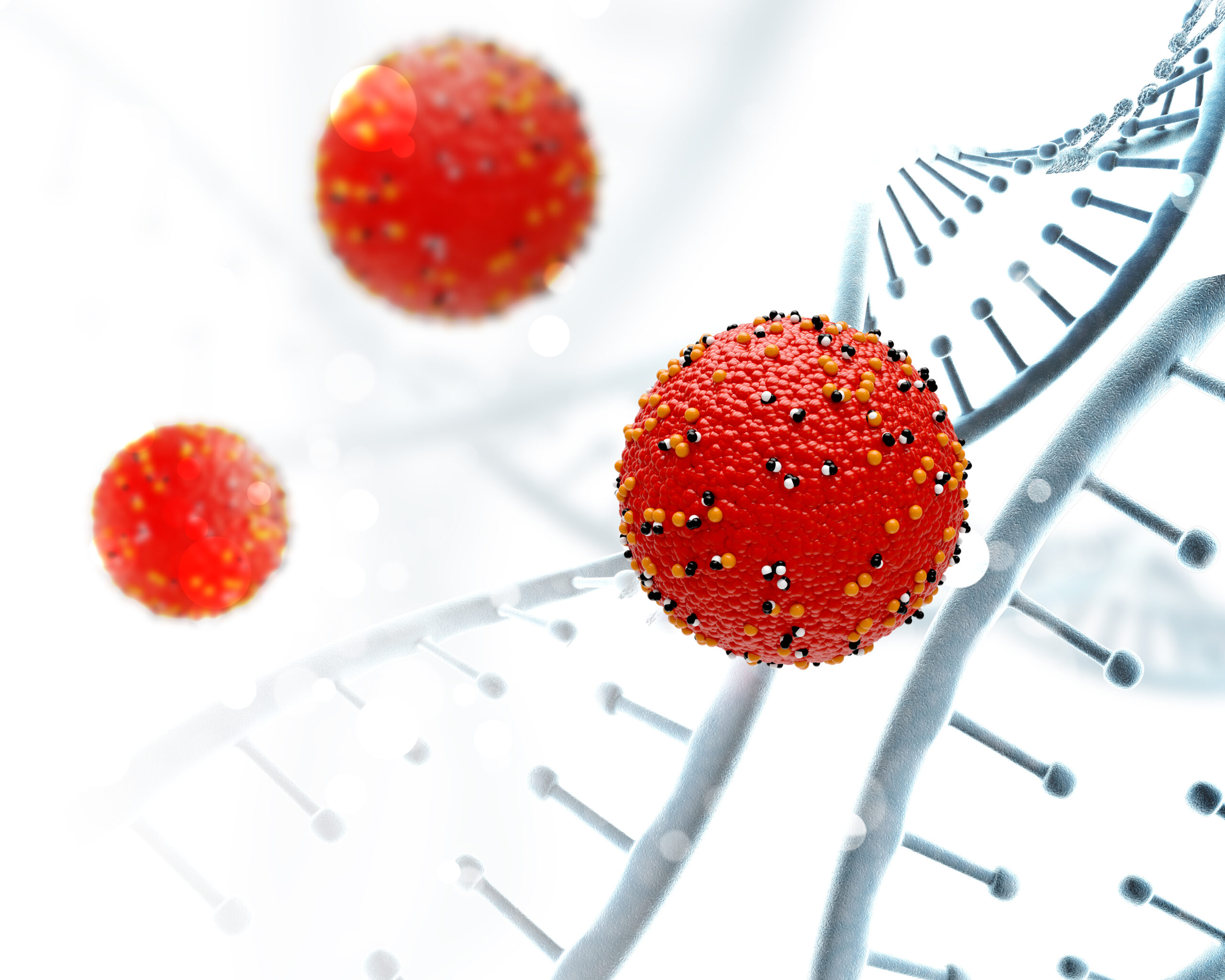
Modern stem cell platforms now integrate with advanced gene-editing technologies to engineer immune cells with significantly enhanced therapeutic performance. These next-generation immune cells are designed to better recognize and bind to specific cancer targets, persist longer within the body to sustain anti-tumor activity, and minimize off-target effects that could damage healthy tissue. Biotechnology companies such as CRISPR Therapeutics are actively exploring stem-cell-based immune editing strategies aimed at developing universal donor immune therapies, which could streamline manufacturing and expand patient access. These innovations are advancing more consistent treatment quality and improving the scalability of cell-based immunotherapies.
03. Reduce Treatment Toxicity
Early cellular immunotherapies were often associated with severe immune reactions, limiting their safety and broader clinical application. However, the development of stem-cell-derived immune cells has enabled researchers to better fine-tune immune responses prior to infusion, carefully screen for potentially dangerous overactivation, and design safer, more precise dosing strategies. As a result, this enhanced level of control has significantly reduced complications, including serious adverse events such as cytokine release syndrome.

04. Expand Access to Treatment
One of the biggest limitations of early immunotherapy was manufacturing time, as some treatments required weeks to prepare before they could be administered to patients. In response, stem-cell-based platforms are being developed to streamline and industrialize the process by creating banked immune cell supplies, enabling rapid-deployment treatment options, and supporting more affordable large-scale production. These advancements are designed to reduce delays, improve accessibility, and enhance scalability across healthcare systems. Pharmaceutical leaders such as Novartis have already commercialized CAR-T therapies, demonstrating that scalable cellular treatments can successfully reach broader patient populations while maintaining clinical efficacy.
Diseases Being Targeted Beyond Cancer
While blood cancers remain the primary success story, stem-cell-enabled cellular immunotherapy is expanding into
The Future of Cellular Immunotherapy
Advancements in stem cell biology are fundamentally reshaping how complex diseases are treated. By integrating regenerative medicine, gene editing technologies, and advanced immunoengineering strategies. Researchers are accelerating the transition toward highly personalized, precision-based cellular therapies. This convergence of disciplines is not only improving therapeutic specificity but also enhancing the durability and adaptability of immune-based interventions.
Over the next decade, we can anticipate broader FDA approvals for stem cell–derived immune therapies, expansion of treatment indications beyond oncology into autoimmune and degenerative disorders, reduced costs driven by scalable and standardized manufacturing platforms, and continued improvements in safety profiles and long-term clinical efficacy. Cellular immunotherapy represents a fundamental shift in medicine. From treating disease with chemicals to with living cells. Stem cell research has accelerated this shift by making therapies safer, more scalable, and increasingly accessible. What once sounded like experimental science is rapidly becoming standard clinical practice, offering new hope for patients facing conditions previously considered untreatable.
What services does GIOSTAR WELLNESS provide?
GIOSTAR WELLNESS provides practical services solutions designed around customer needs. Our team focuses on clear communication, reliable support, and outcomes that help people make informed decisions quickly.
How can customers get help quickly?
Customers can contact our team directly for fast support, clear next steps, and timely follow-up. We prioritize responsiveness so questions are answered quickly and issues are resolved without unnecessary delays.
Why choose GIOSTAR WELLNESS over alternatives?
Customers choose us for trusted expertise, transparent guidance, and consistent results. We focus on practical recommendations, personalized service, and long-term relationships built on reliability and accountability.